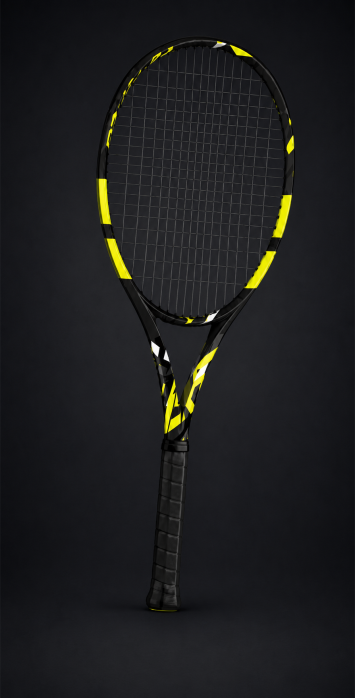
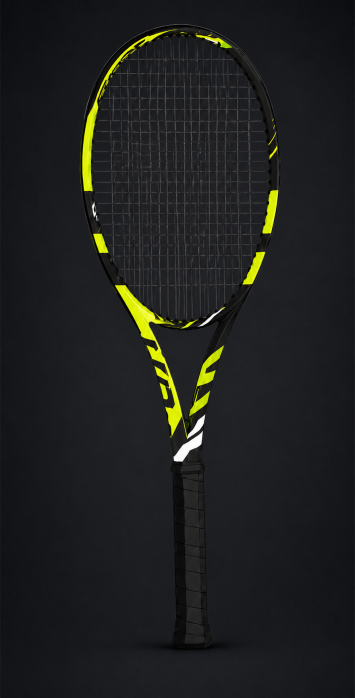
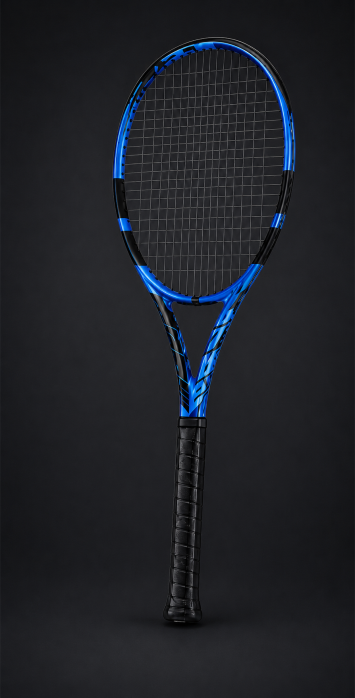
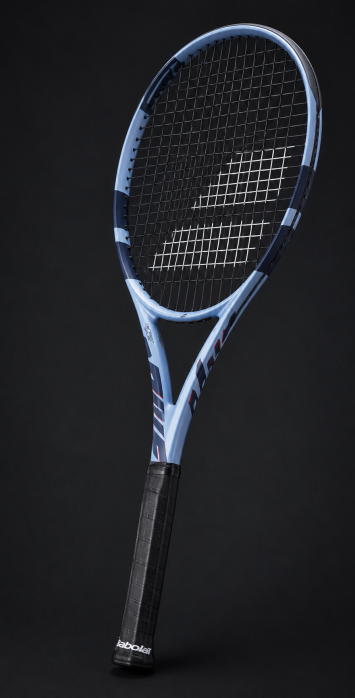
Yonex MUSE 100 2026 Racket Specs
Explore the new Yonex MUSE 100 by racket part and spec. The MUSE line launched globally in 2026 as a comfort-focused, easy-handling series for recreational and intermediate players.
Yonex MUSE 100 2026 specs
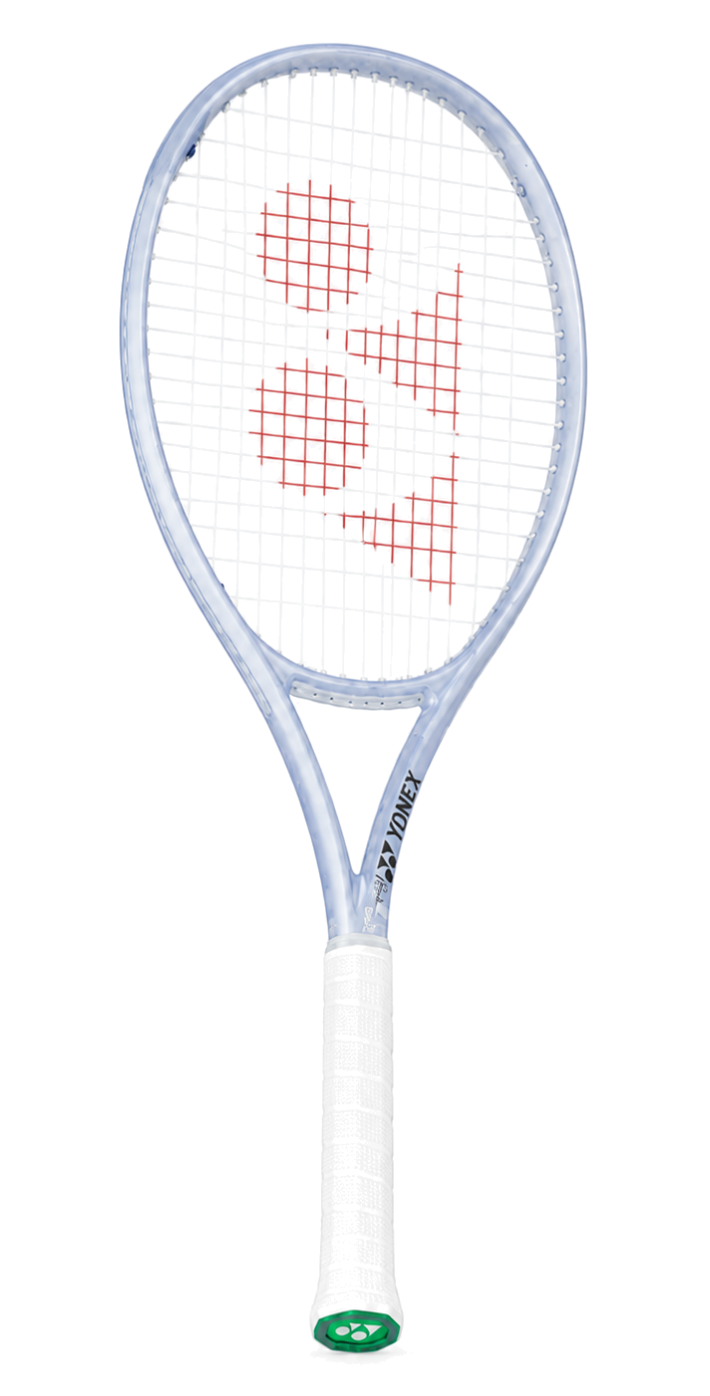
Check current Amazon price
As an Amazon Associate I earn from qualifying purchases.
Racket specs
Head size 100 sq in
The hitting-surface area. Larger heads usually add forgiveness and easy power; smaller heads usually favor precision and a more compact response.
At 100 sq in, the Yonex MUSE 100 2026 uses the versatile modern midpoint between forgiveness, power, and directional control.
Unstrung weight 295 g / 10.4 oz
The frame weight before strings, overgrip, or dampener are added. More mass can improve stability and plow-through, while less mass is generally easier to accelerate.
This 295 g / 10.4 oz measurement means the Yonex MUSE 100 2026 sits in a manageable performance range with useful stability and acceleration.
Strung weight 309 g / 10.9 oz
The measured weight after strings are installed. This is closer to the weight a player swings, though an overgrip and dampener can add several more grams.
This 309 g / 10.9 oz measurement means the Yonex MUSE 100 2026 has enough playing mass for stability, but asks more of timing and endurance.
Length 27 in
The end-to-end racket length. Standard adult frames are 27 inches; extra length can add reach and serve leverage but can reduce maneuverability.
At 27 in, this is a standard-length adult frame, preserving familiar reach and maneuverability.
Balance 320 mm unstrung; 33.02 cm / 4 pts HL strung
Where the racket mass is centered. A more head-light balance is easier to maneuver, while more mass toward the head can add stability and power.
The 320 mm unstrung; 33.02 cm / 4 pts HL strung balance keeps this frame maneuverable for its weight while leaving useful mass through contact.
Beam 24.5 / 24.5 / 18 mm
The frame thickness, sometimes measured at several points. Wider beams tend to return more energy; thinner beams commonly provide more flex and direct ball feedback.
The pronounced taper pairs a supportive hoop with a thin, flexible throat for the MUSE’s comfort-focused feel.
String pattern 16x18
The number of main and cross strings. More open patterns usually help launch and spin, while denser patterns often improve directional control and string life.
The 16x18 pattern is unusually open, promoting launch, string movement, and spin while increasing string wear in the Yonex MUSE 100 2026.
Stiffness 55 RA
An RA laboratory measure of how much the frame resists bending. Higher values generally feel firmer and return more energy; lower values generally feel more flexible.
The listed 55 RA places the frame among the most flexible current options, emphasizing dwell time and a softer response.
Swingweight 311
A measure of how heavy the racket feels while swinging. Higher swingweight can add stability and ball weight but takes more effort to accelerate and redirect.
The 311 swingweight offers a useful blend of maneuverability and stability for its class.
Material HM Graphite / Servo Filter / VDM
The frame layup and named dampening or reinforcement materials. These influence stability and feel, but do not by themselves determine how a racket will play.
HM Graphite / Servo Filter / VDM is the listed construction package for this generation, used to tune the Yonex MUSE 100 2026 response, stability, and vibration feel.
Stringing advice 40-55 lbs
The manufacturer-supported tension range. Lower tension generally adds depth and pocketing; higher tension generally produces a firmer, lower-launch response.
The 40-55 lbs range gives this frame room for a softer, deeper response at the low end or a firmer, lower-launch bed at the high end.
Made in China
The country listed for final racket manufacture. It identifies production origin, not an on-court performance rating.
This model lists China as its manufacturing origin; actual playing specs can still vary within normal production tolerances.
Specs cross-checked against Yonex USA and Yonex Far East product data, with strung weight, stiffness, swingweight, and measured strung balance from Tennis Warehouse.
String recommendations
The MUSE 100 is very flexible with an open 16x18 bed, so start with a controlled multifilament around 52 lbs rather than assuming it needs polyester. A thin, soft poly or hybrid can add definition for faster swings, but keep tension moderate and replace poly promptly.
Starting points are editorial guidance, not a medical guarantee. Technique, ball, court, climate, and restringing frequency all change the result.
HEAD Velocity MLT
Best for: Developing and comfort-first players
Velocity gives the open 16x18 pattern enough control while preserving the MUSE’s plush, accessible response.
Watch for: Open patterns can move and notch multi sooner.
Tecnifibre X-One Biphase
Best for: Players prioritizing pocketing and easy depth
X-One builds on the frame’s exceptionally flexible feel while a mid-range tension keeps the springy bed manageable.
Watch for: Increase tension only in small steps if launch is too high.
Toroline Truffle X mains / HEAD Velocity MLT crosses
Best for: Improving topspin players wanting a soft hybrid
A very soft poly main adds snapback while a multi cross preserves the comfort that defines the MUSE.
Watch for: Hybrid durability varies; replace when the multi notches or the poly loses response.
What other players and experts recommend
-
Yonex PolyTour Pro
Yonex lists PolyTour Pro as its recommended string for the MUSE 100, providing a manufacturer-backed control option for the open pattern.
Manufacturer Yonex: MUSE 100 -
X-One Biphase at 53 lbs
A newer owner described X-One at 53 lbs as springy, forgiving, maneuverable, and plush in the MUSE 100.
Player discussion Reddit r/10s: Yonex MUSE -
Truffle X mains / Velocity MLT crosses
A MUSE 100 owner reported a very soft poly-and-multifilament hybrid and highlighted the resulting comfortable response.
Player discussion Reddit r/10s: Yonex MUSE 100